The Lost Art of Customer Service
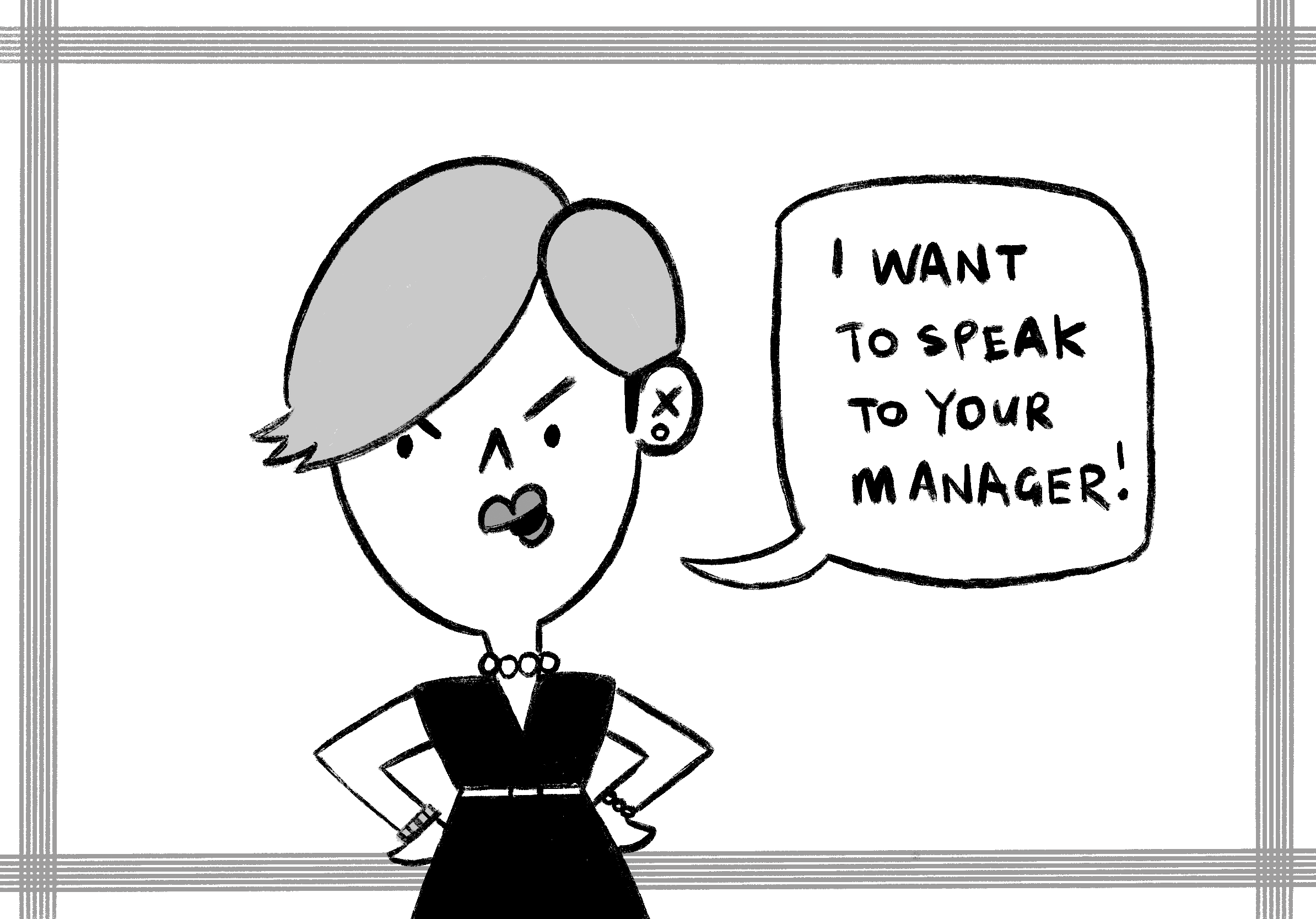
I don’t know about you, but it seems to me that customer service has gotten worse.
It’s been a gradual change, starting shortly after the pandemic, that shows no sign of slowing down anytime soon.
But it makes sense, right?
It’s dumb to invest in resources that you don’t need. There’s no point training waitstaff when diners can scan a QR code and send their own orders to the kitchen. It’s wasteful to invest in support team members when you can employ an AI chatbot that both shields you from direct accountability and keeps your response rate at 100%. Why educate your sales team about your products when customers already know what they want because their favourite influencer told them “It’s good, actually. Trust me! (AD)”.
And the part that’s craziest to me is that it seems that most consumers are fine with this. They’d rather not have to make small talk with a salesperson or ask a waiter for a recommendation. Some folks are only ever in a store to see a product in real life so they can go home and buy it online. (Especially with 11.11 just around the corner!)
So if forgetting about customer service a) is cheaper to facilitate and b) most shoppers don’t care, what’s the issue here?
It’s simple math.
No customer service = no customer loyalty.
We don’t often see it talked about this way, but good customer service is perhaps the best PR tool you could ever have.
Establishes Expertise
A store stocked with employees who know your product catalogue well enough to give personalised advice and recommendations take your store from a manned warehouse to a font of knowledge. Working with KOLs to do campaigns with key products is a great way to put yourself out in front of their audiences, but if your team can’t pick up the post-campaign slack and take over the role of educator, then your shiny new customers will follow that very knowledgeable KOL right out the door and to their next campaign.
Accountability is Awesome
One of my top reasons for purchasing a product from a reputable store instead of a reseller is so I have somewhere to return if anything is the matter. I don’t mind paying the sticker price if it means I have someone to speak to if I’m missing a part or the product isn’t working as advertised. But if I have an issue and no one is willing or able to help me at your store, why shouldn’t I just do my shopping with a reseller who's least willing to slash prices?
Know Your Customer
Having employees that regularly interact with members of your customer base will give you the clearest sense of who they are and what matters to them. Sure, there are things to be learned from surveys and cart tracking, but understanding wants, pain points, and purchasing logic gives you so much more to work with. You can better design your customer events, you can bring in new products or services you know they’re looking for. If you’ve got what they want, they will continue to come back again and again.
Command Premiums
“But Amanda,” you say. “All of this training sounds awful time-consuming and expensive!”
And to that, I say, “It sure does, old timey person!”
But it is a mistake to view good customer service as pure cost.
Good customer service is an investment.
A good customer service team makes your brand stand out and easy to recommend. You develop a reputation of being trustworthy so customers, both new and old, might be more willing to try out your new offering. A prompt and satisfactory response to a complaint can build loyalty and, if you’re consistent, maybe also an evangelist.
TL;DR
It is not cheap or easy to provide good customer service. It involves forethought as well as the investment of time and resources to equip a team with the tools they need to deliver a great customer experience.
But if you can deliver that great experience consistently, you will find yourself making customers for life.